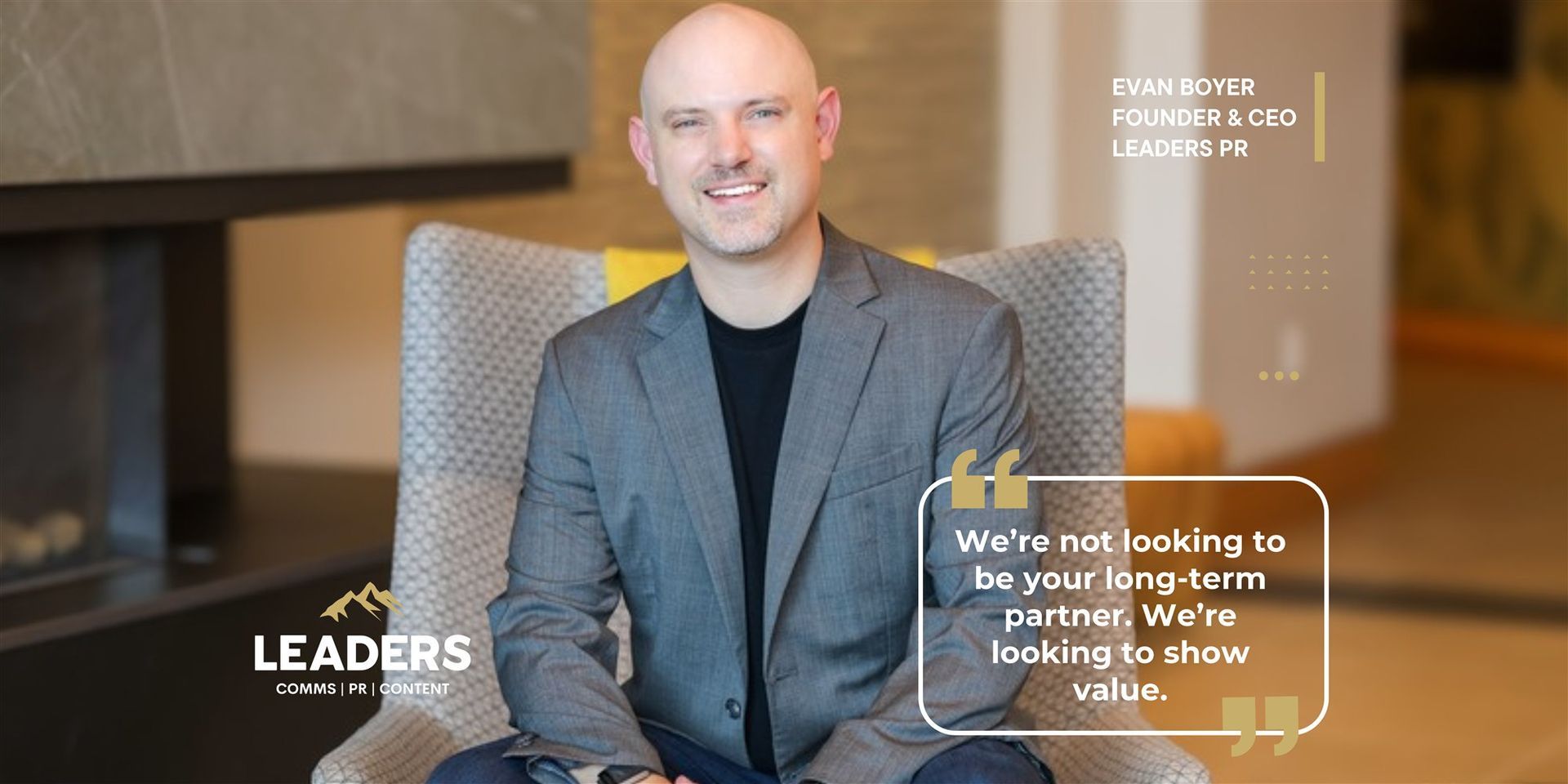
PR earns the trust your SEO can't build
Credibility, unlinked mentions and earn-to-own content, from Evan Boyer's conversation with Jeremy Rivera
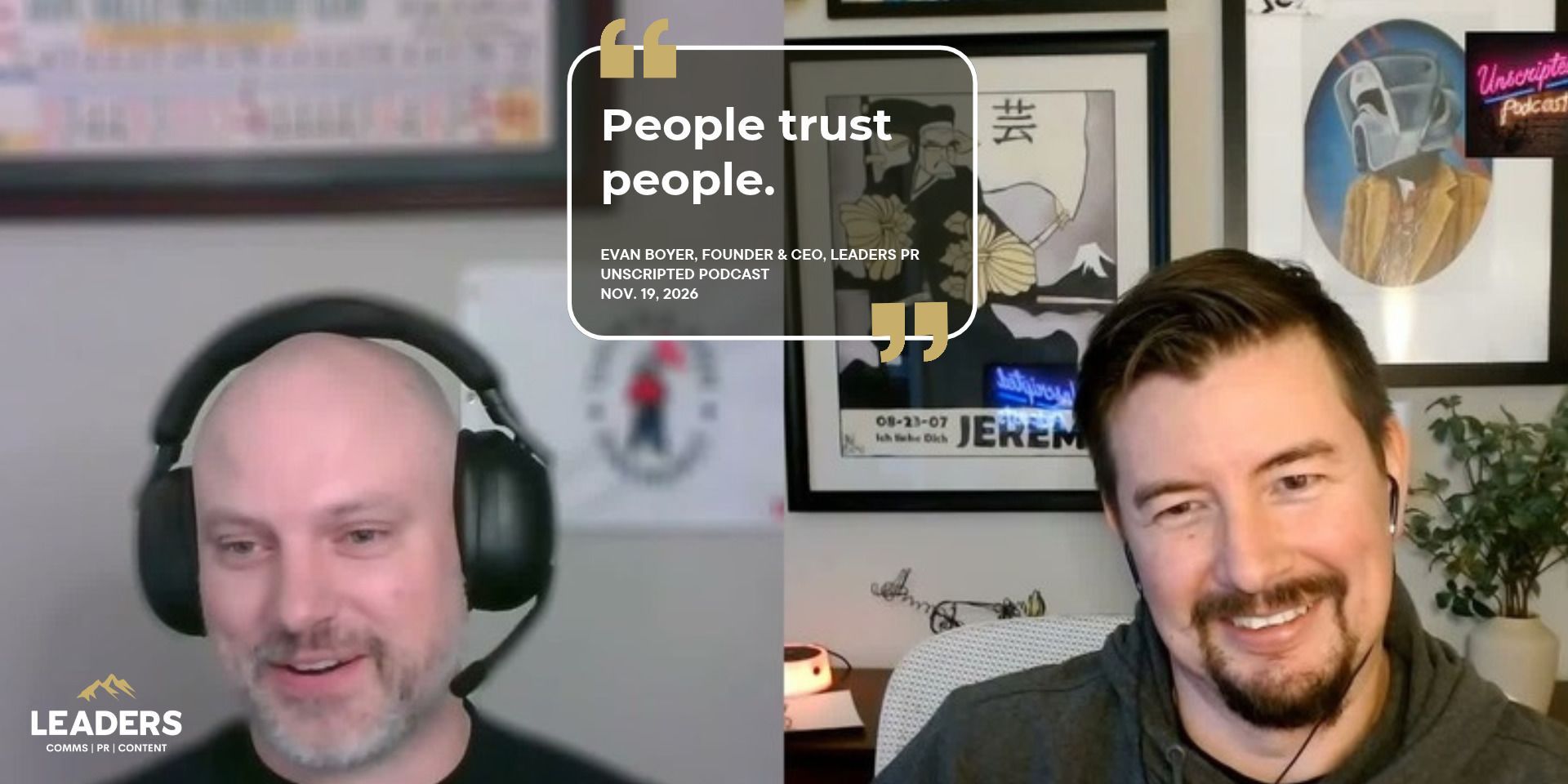
Jeremy Rivera apologized to Evan Boyer two minutes into their conversation on The Unscripted SEO Interview. For about a decade, Jeremy said, SEOs wrote PR people off as the ones sending press releases full of nofollowed links nobody wanted. Evan, who started in agency PR around 2011, accepted on the spot. He'd spent those early years watching budgets go to digital marketing first.
Jeremy's point was that Google changed the deal. For ten years, good content and links brought traffic he could trace all the way to revenue. With AI Overviews, ChatGPT and buyers who research on three devices before they call anyone, he can't draw that line anymore. Evan has never sold PR on attribution, so that part didn't worry him. "It's not attribution, but there is correlation there," he said, pointing to the numbers an SEO team already watches, like web traffic, conversions and, in B2B, a shorter sales cycle.
Watch the episode on YouTube, listen on the podcast feed, or read Jeremy's recap. Below are the parts of the conversation an SEO team will want.
Expertise and credibility are different
Google's E-E-A-T gets a lot of airtime on Jeremy's show. Evan's view is that expertise covers the first two E's, experience and expertise. Authority and trust have to come from other people, usually a reporter or an editor with no reason to vouch for you, and earning their attention is the job PR does.
Jeremy offered to fix the acronym on the spot by adding a C for credibility and an R, which turns E-E-A-T into CREATE. He guessed the R stood for relationship. Evan went with reputation.
Unlinked mentions now count
Jeremy brought up research from Ben Wills at OppAlerts showing that brand mentions without a link line up almost as strongly with AI visibility as backlinks do. For a PR person who spent the 2010s hearing "can we get a link on this?", that was welcome news. "It is a relief. I'm not gonna lie," Evan said.
His advice is to stack up mentions around one subject over several months, which can do more for a company than the time some teams spend chasing a single backlink.
Use your nerds
When Evan worked at Red Hat, a marketing leader there kept repeating one phrase in conference talks and speeches: "Use your nerds." The subject matter experts below the C-suite often know the most, and, as Evan put it, "people trust people."
For a SaaS company, he'd pick a few of those experts and train them on the core messages before anyone puts them in front of a reporter, a town hall or the company blog.
Earn first, then own
Many SEO teams publish a steady stream of blog content, then ask PR to pitch the best posts to a publication. The answer is usually no, because editors want "something fresh that's original to them," as Evan put it.
Flip the order. Place the article with a publication first, which often earns a backlink, then republish it on your own blog in full or as an excerpt (whatever the publishing agreement allows) with a link back to the publisher. Evan calls it earn to own, and Jeremy liked it enough to write it up as a free SOP any team can run.
Find the white space
Jeremy asked how to get a client mentioned when 20 competitors pitch the same reporters. If 20 companies already get coverage on your key message, Evan said, that message probably won't set you apart. He looks for the angle a reporter missed, then goes back to the person who quoted competitor X and competitor Y with research or an executive who can speak to it. SEO teams are a big help here, because they can analyze a publication's coverage and find the topic it keeps skipping (our fintech case study shows one version of this).
Every placement started as cold outreach
The question Evan hears most is "who do you know?", as if one relationship with an editor guarantees a story. A PR friend pointed out to him recently that almost every reporter who ever covered one of their clients started as cold outreach.
Evan would rather people ask about relationship building, because the answer is research on each reporter's beat, who they quote and the months they're too busy to hear from you. When his agency worked with a Big Four firm, nobody pitched its tax experts during tax season, so the team got their content done in Q4.
PR beyond launches and crises
Jeremy said his clients usually think of PR in two moments, a groundbreaking that needs a press release or a founder who did something dumb. Both are worth handling well. But reputation comes from steady effort over years, and the client relationships Evan respects most have lasted that long.
Since Evan started Leaders PR in August 2025, every engagement has followed the same order. Messaging comes first, then delivery training, then the media plan.
Thanks to Jeremy for the conversation (and the apology). If you're weighing whether your company is ready for PR, start with our readiness quiz.